How to Start the Event
A planned giving seminar may sound like an effective way to introduce donors and alumni to charitable estate gifts. However, the event title can create a problem before anyone sees the agenda. Many supporters do not think of themselves as planned giving prospects. They may assume the presentation will be a fundraising pitch or a technical discussion that does not apply to them.
Estate planning offers a more personally relevant starting point. People have questions about providing for family, documenting their wishes, and organizing important decisions. When a nonprofit addresses those concerns first, it can introduce charitable giving as one possible component of a broader estate plan.
Why a Planned Giving Seminar May Struggle to Attract Donors
Nonprofits, particularly schools and universities, often consider seminars as a way to engage alumni in planned giving. The difficulty is that the topic may appeal more strongly to development professionals than to the intended audience.
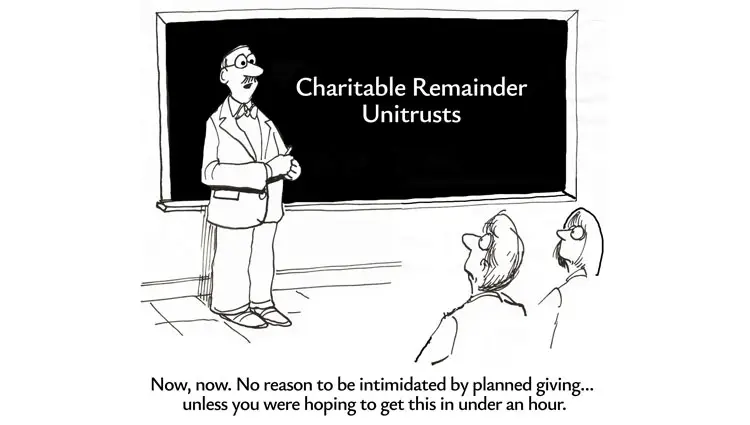
A presentation centered on charitable remainder trusts, gift structures, and tax terminology can feel intimidating. In addition, supporters may assume the organization is inviting them to hear another request for money.
Board members may respond differently because they already understand the organization’s long-term funding needs. A technical planned giving presentation can be useful for their governance and fundraising responsibilities. General alumni and donor audiences, however, may need a different entry point.
The solution is not necessarily to abandon the event. Instead, reconsider what the invitation promises attendees.
Lead With Estate Planning, Not Gift Mechanics
An estate planning seminar begins with decisions people may already be considering. These include choosing beneficiaries, providing for loved ones, selecting an executor, and reviewing important documents.
Such topics create a natural foundation for discussing charitable intentions. A donor who understands the broader planning process can then consider whether a gift to the organization belongs in that plan.
For example, a presentation could address:
- Why a current will matters
- How beneficiary designations fit into an estate plan
- What executors and other representatives do
- How to prepare for a meeting with an estate planning attorney
- Where charitable bequests may fit among other priorities
These subjects offer educational value even to attendees who never make a charitable commitment.
Make the Planned Giving Seminar Relevant to Its Audience
Reframing an event does not mean concealing its connection to fundraising. The nonprofit should be transparent about its role and explain that charitable planning will be one of the topics discussed.
However, the invitation should emphasize what participants can learn rather than what the organization hopes to receive.
Consider titles such as “Wills and Trusts: What You Need to Know,” “Estate Planning for Your Family and Future,” or “Understanding Your Estate Planning Options.”
These titles communicate a practical benefit without requiring attendees to identify themselves as planned giving prospects.
Use Research Carefully When Planning the Event
Estate planning surveys can help explain why educational programming may be relevant. For example, published wills and estate planning statistics provide context about planning behavior.
Nevertheless, national survey findings do not establish how many people in a particular donor file need an estate plan. Likewise, a national estimate of charitable bequest activity cannot predict attendance or gift commitments for one organization.
Use external research to inform the event concept. Then evaluate the actual audience through donor conversations, registration patterns, attendance, and follow-up interest.
Introduce Charitable Bequests Naturally
Once the presentation establishes the fundamentals of estate planning, charitable giving can enter the discussion as an option.
A charitable bequest may allow someone to provide for loved ones while including a nonprofit among the beneficiaries of an estate. The appropriate arrangement depends on individual circumstances and the applicable estate documents.
Keep the explanation accessible. Attendees do not need to master complex gift structures before understanding that charitable intentions can be documented as part of an estate plan.
In addition, make it clear that participation in the seminar creates no obligation to give or disclose private financial information.
Bring in Qualified Estate Planning Professionals
An attorney or other qualified professional can add substantial educational value to an estate planning presentation. A knowledgeable speaker can explain general concepts, clarify common misunderstandings, and identify situations that call for individualized advice.
Nonprofits can explore a planned giving and estate planning presentation or work with an appropriate local professional. Professional associations may also help organizations identify potential speakers.
Before the event, establish expectations about educational content, confidentiality, and follow-up. The session should not become an opportunity for a presenter to solicit attendees for unrelated services.
Furthermore, distinguish general education from personal legal, tax, or financial advice.
Provide Useful Resources After the Seminar
A presentation is more valuable when attendees leave with something they can use.
Offer a concise estate planning checklist, a list of questions to discuss with an attorney, or information about organizing assets and beneficiary designations. An online will planning resource may also be appropriate for people who want to explore available tools.
These materials should support informed planning rather than imply that every attendee can complete an appropriate estate plan without professional assistance.
Include the nonprofit’s planned giving contact information for anyone who wishes to discuss charitable options separately.
Follow Up Without Turning Education Into Pressure
After the event, thank attendees and provide the promised resources. Then offer an optional conversation about charitable planning.
Do not treat attendance as evidence that someone intends to make a planned gift. Some participants may have attended solely to learn about wills or family planning. Others may be interested in charitable giving but need time to consult their advisors.
Follow-up should reflect the interest each person expresses. A development officer might offer additional information about bequests, answer questions about the organization’s legal name, or arrange a conversation with planned giving staff.
Respecting those distinctions helps establish trust.
Measure More Than Attendance
Registration and attendance are useful measures, but they do not tell the whole story.
Review whether the event reached the intended audience, whether participants found the material useful, and whether they requested additional information. Track follow-up conversations and expressed charitable interest where appropriate.
Also gather feedback about the title, format, speaker, timing, and content. Those details can help improve future presentations.
A well-attended event that provides little value is not necessarily more effective than a smaller session that produces meaningful engagement.
Should You Host a Planned Giving Seminar?
Yes, when the format matches the audience and the educational purpose is clear. A technical session may be appropriate for board members or donors who have already expressed interest in specific gift arrangements. For a broader audience, an estate planning presentation may provide a more accessible introduction.
Start with the questions attendees want answered. Explain the planning process in understandable language, introduce charitable giving where relevant, and provide a clear path to further information.
Organizations seeking a ready-made format can explore estate planning presentation resources and adapt the content to their constituency.
The central lesson is simple: a planned giving seminar should serve the audience before it serves the fundraising calendar. When people find the subject relevant and the information useful, the organization has a stronger foundation for future charitable conversations.