


The Secret to Being More Proactive at Work

Be Proactive
Excerpt
In major gifts fundraising, the difference between reactive and proactive work directly impacts revenue and career advancement. This article outlines how fundraisers can strengthen planning, organization, and communication to manage portfolios strategically rather than respond to daily crises. Proactivity builds institutional trust, increases autonomy, and positions development professionals for long-term leadership.

Proactive vs. Reactive: The Discipline That Separates Top Major Gift Officers

A proactive major gift officer does not allow daily noise to dictate performance. Instead, proactive discipline shapes portfolio movement, proposal velocity, and revenue predictability. As a result, strategic time produces measurable outcomes.

What does your workday actually look like?

Are you advancing relationships and executing strategy? Or are you reacting to yesterday’s emails, last-minute leadership requests, and internal fire drills?

In major gifts fundraising, the difference between reactive behavior and proactive major gift officer discipline is financial. While reactive officers manage activity, proactive officers manage outcomes. Therefore, the distinction directly affects revenue performance.

Planning Discipline for the Proactive Major Gift Officer

Major gifts is a long-cycle discipline. Without structured planning, urgent tasks displace strategic cultivation work. Consequently, revenue movement slows. A proactive major gift officer manages the portfolio intentionally and sequences activity toward defined outcomes.

  1. Set portfolio priorities. Rank prospects by capacity, inclination, and readiness. Then allocate time accordingly. For deeper guidance, review our framework on major gift portfolio management.
  2. Build 30-, 60-, and 90-day action plans. Map meetings, proposal drafts, stewardship, and internal briefings in sequence. In other words, plan the full path from relationship to decision.
  3. Anticipate leadership needs. Before campaign meetings or board sessions, prepare pipeline summaries and revenue forecasts. As importantly, name risks early so decisions are not delayed. Strong major gift forecasting reduces executive friction.
  4. Invest in professional development. Expertise builds credibility over time. Therefore, commit to structured learning through formal coursework and resources such as our professional development programs.

Organizational Systems That Support Proactive Major Gifts Fundraising

Disorganization creates reactivity. By contrast, systems protect high-value hours. When processes are structured, strategic focus remains intact even under pressure.

  1. Time-block cultivation work. Schedule proposal writing, donor strategy, and follow-up as fixed calendar commitments. Otherwise, urgent internal work will take the space you intended for donors.
  2. Maintain CRM discipline. Update your CRM promptly after substantive interactions. As a result, forecasting improves and internal coordination becomes easier.
  3. Standardize recurring processes. Use templates for visit memos, donor briefings, and proposal outlines. This reduces rework, so you can spend more time on judgment and strategy.
  4. Use technology strategically. Task systems, reminders, and dashboards should simplify execution. If they create noise, then they are not serving the work.

Communication Standards That Reduce Reactivity

Many reactive crises originate in unclear communication. Therefore, a proactive major gift officer prevents friction through visibility and alignment. When expectations are clarified early, institutional trust strengthens.

  1. Respond clearly and promptly. Internal partners rely on accurate information. Consequently, delays create bottlenecks that slow donor work and proposal movement.
  2. Provide forward-looking updates. Share brief weekly summaries of visits completed, proposals advanced, risks identified, and next steps. Over time, this visibility earns autonomy.
  3. Align before innovating. Initiative matters; however, alignment is essential. Confirm supervisor support before changing strategy that affects budget, messaging, or board engagement.
  4. Engage board leadership appropriately. Board activity can accelerate decisions when it is coordinated. For related guidance, see board engagement in fundraising.
  5. Seek structured feedback. Regular performance conversations prevent surprises. In addition, they help you recalibrate your portfolio strategy before small issues become systemic.

Proactive Major Gift Officer Discipline Is a Leadership Trait

Proactivity is not personal productivity. Rather, it is revenue leadership.

When you protect strategic time, manage your portfolio intentionally, and communicate with clarity, you build predictable outcomes. Consequently, leadership teams reward consistency with expanded responsibility.

Major gifts will always include unpredictability. However, your operating discipline remains within your control. Even when timelines compress, systems and sequencing keep priorities intact.

Reactive professionals manage tasks. A proactive major gift officer builds revenue systems.

If long-term advancement is your objective, operate accordingly. To explore opportunities, visit the Major Gifts Career Center.

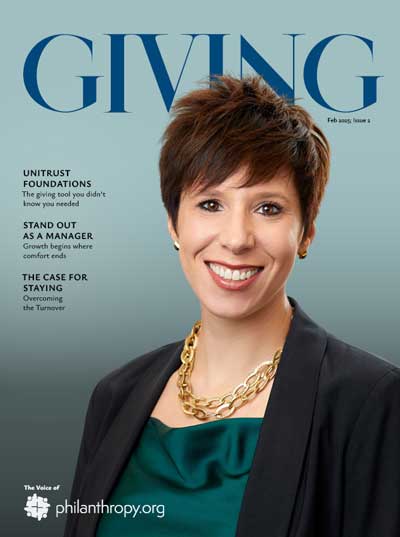
GIVING magazine, Karen Alonso on Cover, United Way Las Vegas, AFP Chapter President

Giving Magazine

For those who drive change — not watch it. Join the top 1%.

Legacy Planner Logo

Making Estate Planning Accessible, Simple, Personal, Secure and FREE!

Bequests are up, cash is down. Empower your donors to plan their will and invest their legacy in the cause they support the most.


You’ll need 88% to pass!
Every planned gift is a major gift. Get educated today.